
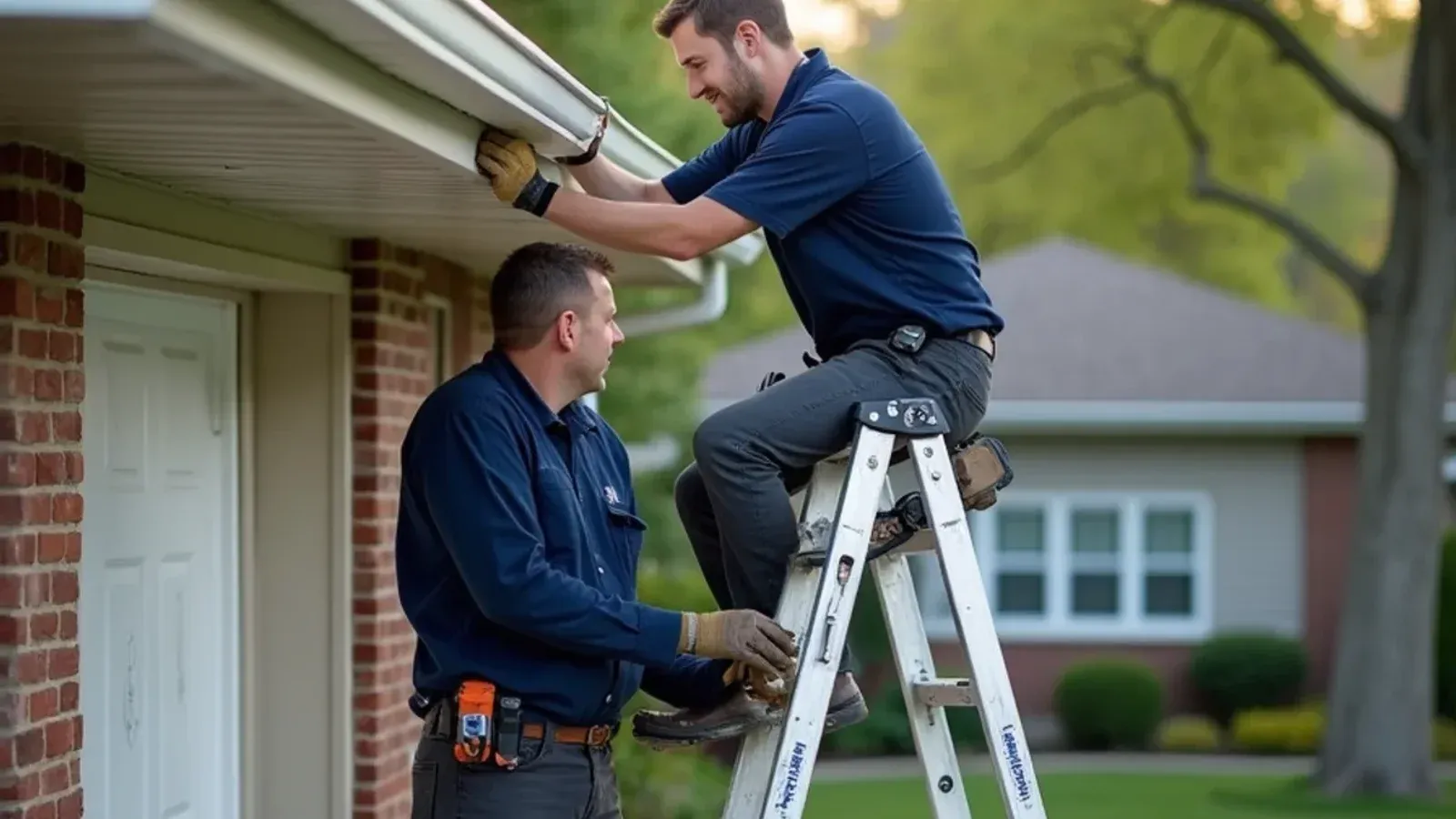
Quick Answer: When gutters overflow during an active downpour in Des Moines, do not climb a wet ladder. Immediately check ground-level downspout outlets from the lawn to confirm extensions aren't clogged or crushed, ensure basement sump pumps are running, and photograph where water overshoots the eaves. The root cause is typically dense spring maple seed pods (helicopters) or autumn oak leaves plugging the top outlet, lost slope pitch causing a mid-run belly sag, or undersized 5-inch builder-grade gutters overwhelmed by Midwestern rainfall rates exceeding 2 inches per hour.
For homeowners in Des Moines, Polk County, and across Central Iowa, understanding gutters overflowing in heavy rain can mean the difference between a dry, secure home and thousands of dollars in water damage repairs. Midwestern weather places intense seasonal demands on residential gutter systems. Between severe summer thunderstorms delivering multiple inches of rain in under an hour, intense derecho winds, and winter freeze-thaw cycles producing heavy ice loads, keeping your roofline drainage functioning properly requires vigilance.
In this practical homeowner guide, we break down everything you need to know about gutters overflowing in heavy rain, including root causes, immediate steps to take, long-term prevention strategies, and realistic local cost expectations.

Understanding the Primary Causes of Drainage Failure
When gutters fail to manage roof water during rainstorms, the problem almost always stems from one of four primary mechanical or environmental factors:
- Severe Debris Blockages: Central Iowa's mature silver maple, bur oak, and river cottonwood trees drop massive amounts of organic debris. In spring, winged maple seed pods ("helicopters") collect in downspout elbows. In fall, leaves create dense, waterproof dams that prevent water from reaching outlets. Routine gutter cleaning or micro-mesh filtration eliminates these blockages.
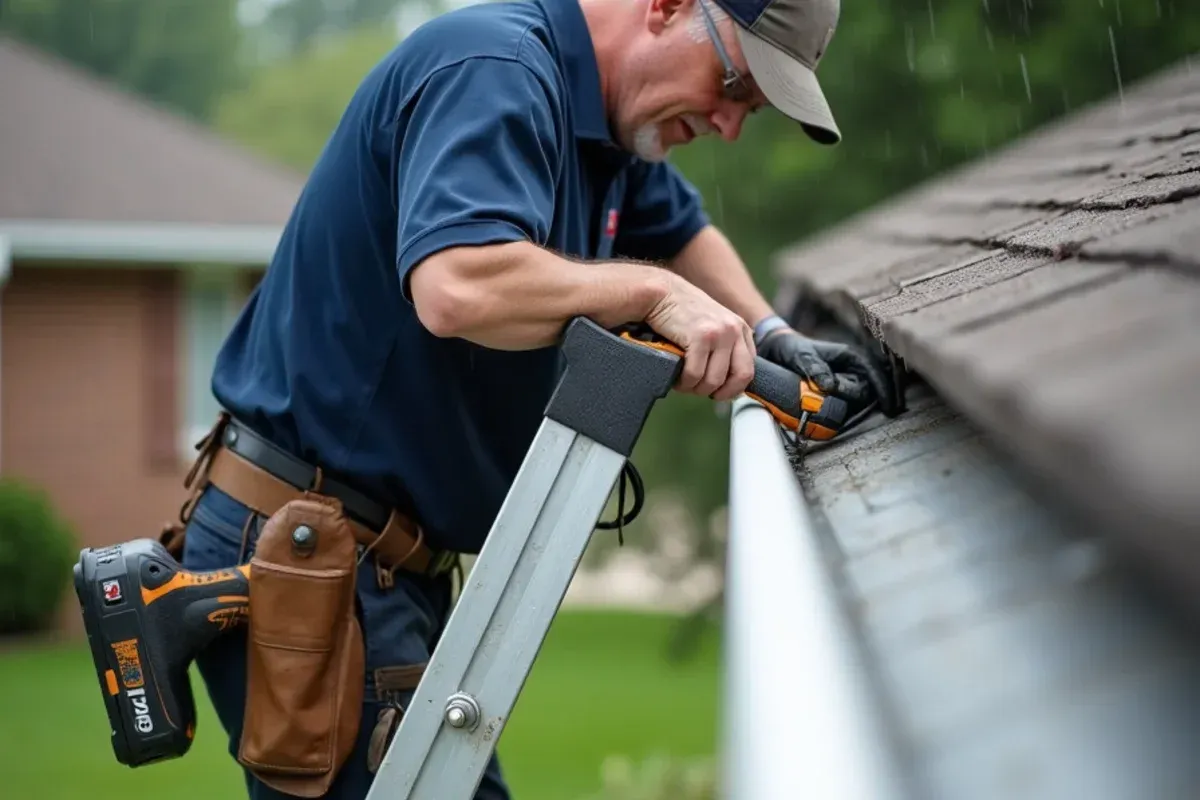
- Incorrect or Lost Elevation Pitch: Gutters must slope downward toward each downspout at an exact rate of roughly 1/4 inch per 10 feet. When old gutter spikes work loose or wood fascia boards soften, the trough sags in the center, causing water to pool and spill over the front lip. Professional gutter repair can re-pitch and re-anchor the run.
- Undersized Gutter and Downspout Capacity: Standard 5-inch residential gutters carry approximately 1.2 gallons of water per foot. On steep, multi-story roofs or expansive ranch homes, heavy rainfall overwhelms that capacity, requiring an upgrade to 6-inch seamless gutters and oversized 3x4-inch downspouts.
- Fascia Rot and Loose Fasteners: If water has seeped behind the gutter due to a missing drip edge or deteriorated corner seams, the wood sub-fascia rots. Fasteners lose their bite, causing the entire run to tilt forward and dump water along the foundation.
| Factor | Standard 5-Inch System | Upgraded 6-Inch Seamless System | Why It Matters in Central Iowa |
|---|---|---|---|
| Water Volume Capacity | ~1.2 gallons per linear foot | ~2.0 gallons per linear foot | Nearly 50% more reservoir capacity for sudden cloudbursts |
| Downspout Size | 2x3 inches (6 sq inches) | 3x4 inches (12 sq inches) | Doubles discharge rate, preventing elbow clogs |
| Fastening Hardware | Old spikes or friction clips | Zinc-coated screw-in hidden hangers | Resists pullout under heavy winter ice dam accumulations |
| Seam Frequency | Joints every 10 ft on sectional | Continuous single run from corner to corner | Eliminates 95% of potential leaks that rot wood fascia |
Gutters Overflowing on Your Des Moines Home?
Call Peter Palomeque directly at (321) 485-9911 for priority on-site troubleshooting, precision realignment, or 6-inch seamless upgrades.
Direct to Peter & crew · No automated call center
Step-by-Step Diagnostic and Action Plan
If you notice symptoms related to gutters overflowing in heavy rain, follow this systematic evaluation process:
1. Inspect Ground Downspout Exits Begin by checking where each downspout discharges at ground level. Frequently, a downspout extension has been crushed by a lawnmower, kicked loose, or buried beneath landscape mulch. If the exit is blocked, hundreds of gallons of water back up the entire vertical pipe, filling the upper gutter until it overflows.
2. Check the Roof Shingle Overhang and Drip Edge Examine the connection between your roof edge and the back lip of the gutter trough. Roof shingles should extend approximately 1/2 to 3/4 inch beyond the drip edge metal. If shingles stop short, water tension causes rainwater to run backwards behind the gutter, rotting the fascia board and staining your siding.
3. Look for Mid-Run Sagging and Standing Water After a storm has passed, safely inspect the trough. If clean water remains standing more than 1/2 inch deep in the middle of a run while the downspout is dry, the gutter has lost its drainage slope. A contractor will need to unclip the hidden hangers, adjust the pitch, and re-anchor the run into solid rafter tails.
Long-Term Solutions and Prevention
Fixing gutters overflowing in heavy rain permanently involves addressing the underlying structural conditions rather than repeatedly applying temporary silicone caulk:
- Upgrade to 6-Inch Continuous Seamless Aluminum: By eliminating sectional seams and increasing water carrying capacity by almost 50%, you prevent storm overflows on large roof planes.
- Install High-Performance Micro-Mesh Leaf Guards: Surgical-grade stainless steel micro-mesh keeps maple seeds, oak tassels, and roof shingle granules out of the trough while accepting torrential rainfall.
- Extend Downspouts 6 to 10 Feet Away: Route runoff well past the backfilled foundation perimeter onto sloped lawn turf or into buried PVC drainage lines with pop-up emitters.
- Replace Soft or Rotted Fascia Boards: Ensure your gutters are mounted to dry, rot-resistant primed lumber, capped with custom aluminum trim wrap to prevent future moisture damage.
Central Iowa Seasonal Gutter Maintenance Timetable
Maintaining effective water diversion requires aligning your maintenance schedule with Central Iowa weather patterns:
| Season | Critical Weather Condition | Primary Maintenance Task | Homeowner Inspection Check |
|---|---|---|---|
| Early Spring (March–April) | Snowmelt and heavy ground saturation | Clear winter grit, inspect for frost-heave loosening | Verify water discharges freely through downspouts |
| Late Spring (May–June) | Silver maple samara ("helicopter") drop | Remove dense seed mats from gutters and elbows | Ensure gutter corners are not dripping behind fascia |
| Summer (July–August) | Severe convective thunderstorms and derecho wind | Inspect hanger tightness and downspout strap security | Check landscape beds for signs of gutter lip overflow |
| Autumn (October–November) | Heavy oak and cottonwood leaf shedding | Complete seasonal hand cleanout before freezing | Confirm downspout extensions are connected and clear |
| Winter (December–February) | Freeze-thaw cycles and 30+ inches of snow | Monitor roof eaves for early ice-dam formations | Ensure extensions are not buried in frozen street snowbanks |
Important Questions to Ask When Hiring a Gutter Contractor in Des Moines
Before hiring a company to resolve issues with gutters overflowing in heavy rain, protect your investment by asking these key qualifying questions:
- Do you use heavy 0.032-gauge aluminum or lighter builder-grade metal? Light 0.027-gauge metal dents easily from hail and buckles under heavy wet snow. Insist on 0.032 commercial-grade thickness.
- How are the gutters fastened to the house? Outdated spikes and ferrule tubes pull loose within 2 to 3 winters. Reliable contractors use heavy zinc-coated screws driven directly through hidden hangers into rafter tails.
- What spacing do you use between hangers? Hangers placed farther than 24 inches apart cause gutters to sag between brackets under snow weight. High-volume roof valleys should have hangers spaced every 18 inches.
- Do you inspect the wood fascia board before hanging new gutters? If sub-fascia boards are soft or rotting from prior leaks, new gutter screws will strip out. Rotted wood must be cut out and replaced with primed lumber first.
- Is the owner directly involved on the job site? Working with an owner-operated local company ensures personal accountability, fair pricing, and immaculate site cleanup.
What to Expect for Local Costs in Des Moines
When budgeting for repairs or replacement in Central Iowa, planning estimates for 2026 reflect local material and labor costs:
- Routine Gutter Cleaning and Downspout Flushing: $150 to $350 depending on home height, roof pitch, and tree debris density.
- Localized Gutter Repairs (Re-Pitching & Resealing): $200 to $650 to realign sagging runs, install new screw hangers, and rebuild leaking corner miters.
- Full Seamless Gutter Installation: $8 to $12 per linear foot for 5-inch seamless aluminum; $12 to $16 per linear foot for 6-inch oversized systems.
- Micro-Mesh Gutter Protection: $6 to $10 per linear foot added to new or existing gutters.
Conclusion and Next Steps
Taking prompt action when you notice issues with gutters overflowing in heavy rain protects your Central Iowa home's structural foundation, exterior siding, and interior basement from severe moisture damage. At Palomeque Gutter LLC, founder Peter Palomeque personally inspects every project, providing honest evaluations, upfront quotes, and five-star craftsmanship. Call us today at (321) 485-9911 to schedule your free roofline evaluation.
What We See On Central Iowa Rooflines
In Central Iowa, dealing with gutters overflowing in heavy rain requires understanding how rapid snowmelt and heavy thunderstorm downpours interact with expansive clay soil. We emphasize heavy-gauge seamless aluminum and oversized downspouts to keep water moving safely away from basement foundations.
Frequently Asked Questions
What causes issues related to gutters overflowing in heavy rain in Central Iowa?
Issues typically arise from a combination of severe Midwestern weather (heavy convective thunderstorms, 30+ inches of winter snow, and freeze-thaw cycles), dense tree debris from silver maples and oaks, and improper pitch or undersized 5-inch troughs.
Can I resolve gutters overflowing in heavy rain myself or should I call a professional?
Ground-level checks like clearing visible debris from downspout splash blocks are safe for homeowners. However, climbing wet ladders during or immediately after storms poses serious safety hazards. Professional gutter contractors have commercial ladders with standoffs, safety gear, and precision leveling tools.
How much does it typically cost to fix issues with gutters overflowing in heavy rain in Des Moines?
Minor repairs such as resealing dripping corner miters or rehanging sagging runs typically range from $200 to $650. If complete replacement with seamless 6-inch aluminum is needed, planning estimates in Central Iowa range from $12 to $16 per linear foot.
Need advice specific to your roof or drainage setup?
Peter Palomeque is happy to answer any questions about seamless gutter sizing, downspout routing, guards, or insurance estimates.
Call (321) 485-9911 for Fast Answers