
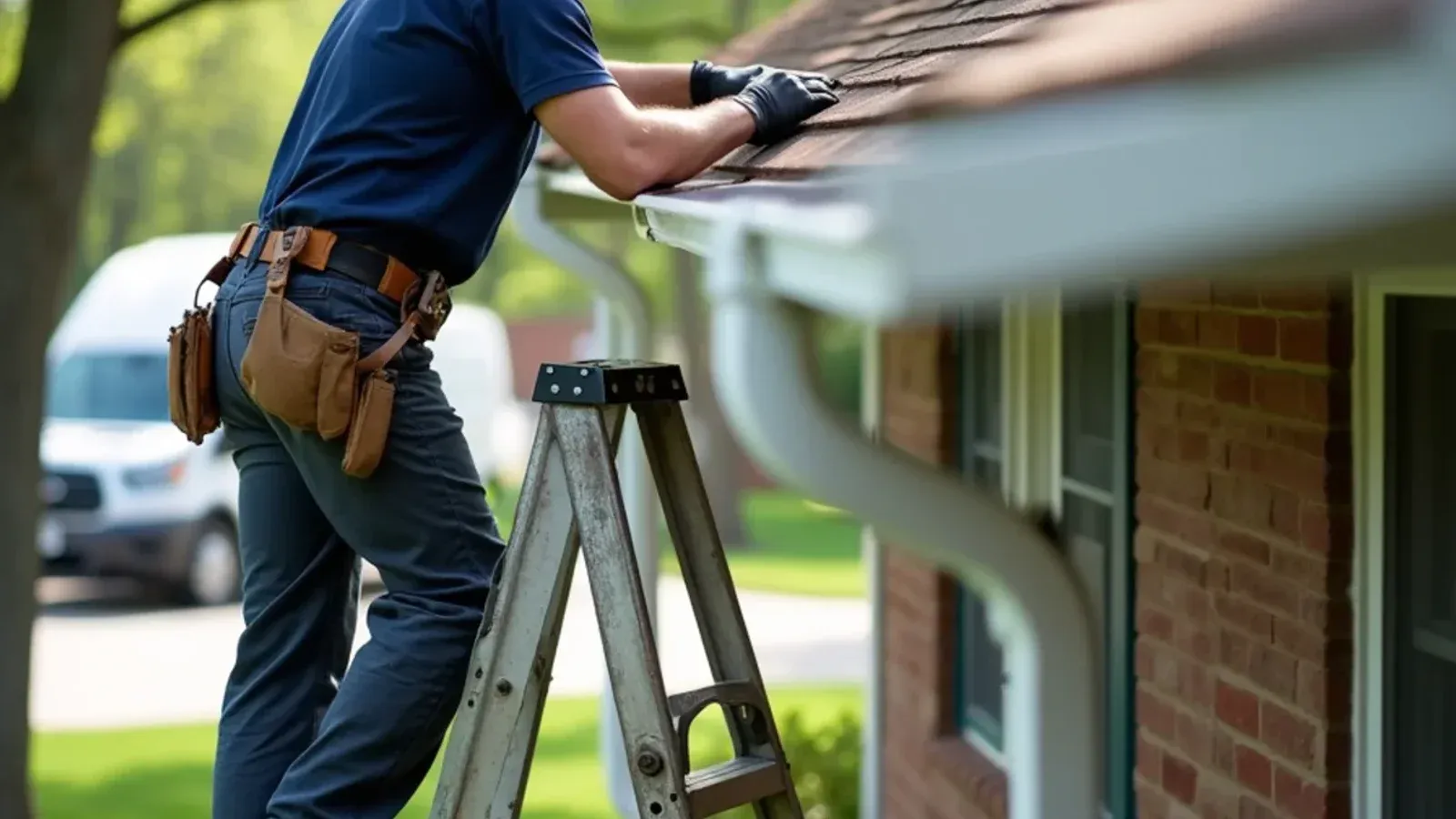
Quick Answer: If high Central Iowa winds or a severe derecho have torn a gutter loose from your roofline, treat it immediately as a life-safety hazard. Never stand underneath a hanging metal trough or attempt to climb a ladder during gusting winds. Clear people and vehicles from the drop zone, shut off outdoor electrical connections if wires are touched, and photograph the damage from multiple angles for your homeowners insurance claim. If the gutter is dangling and threatening to rip siding or break windows, call Peter Palomeque at (321) 485-9911 for emergency stabilization and safe detachment.
For homeowners in Des Moines, Altoona, and communities across Central Iowa, severe weather is a fact of life. Between spring convective supercells generating 60-plus mph straight-line winds, intense summer derechos, and winter blizzards, roof eaves endure extreme lateral uplift. When an aluminum gutter tears loose from the house, prompt and methodical action prevents secondary damage to your soffit and fascia, windows, and foundation.
In this practical homeowner emergency guide, we cover the immediate safety steps, root causes of wind detachments, insurance claim documentation, and structural restoration standards required to safeguard your home.
Why Central Iowa Windstorms Rip Gutters Off Eaves
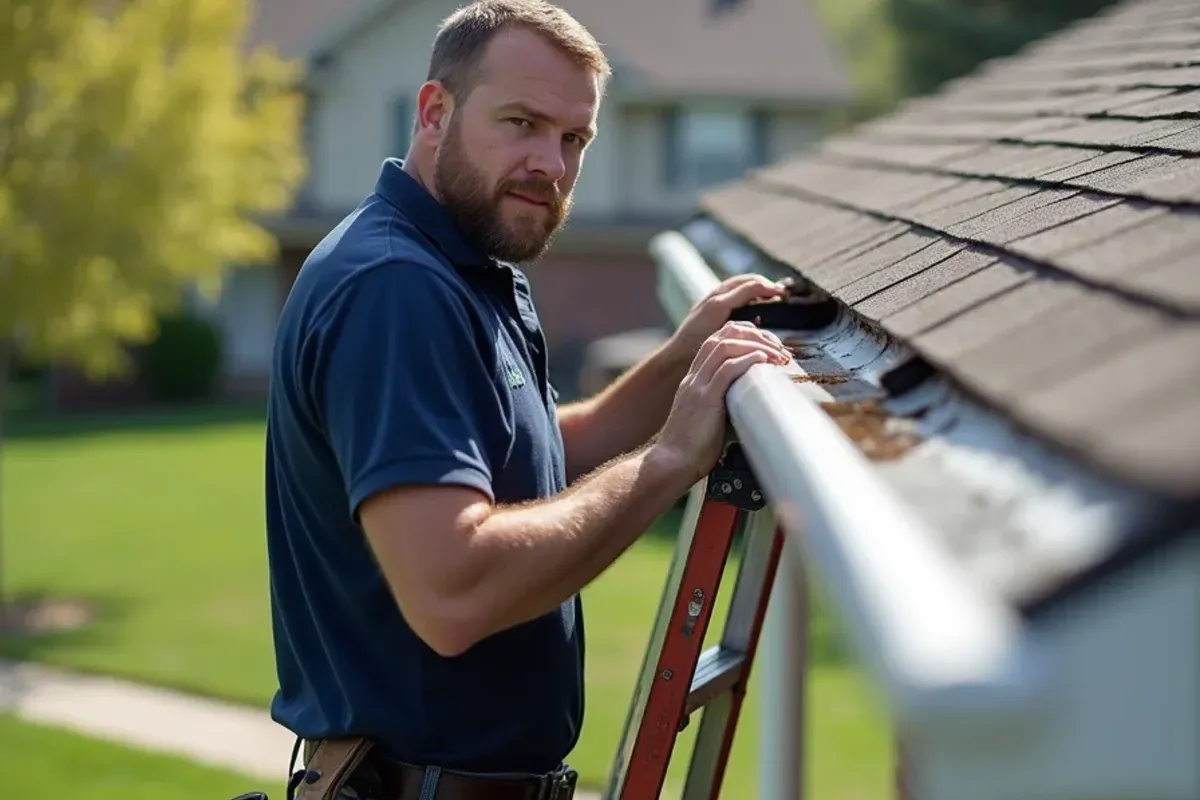
When high-velocity winds strike a home, the roofline acts as an airfoil. Air rushing over the peak creates negative pressure above while positive pressure builds along the exterior wall beneath the eaves. This aerodynamic phenomenon produces powerful upward and outward forces that test every fastener holding your gutters in place.
Gutters rarely tear away purely due to wind strength alone; failure almost always occurs when high winds exploit pre-existing mechanical weaknesses:
- Outdated Spike-and-Ferrule Fasteners: Older homes throughout Greater Des Moines frequently rely on 7-inch smooth steel or aluminum spikes driven through metal ferrule tubes into fascia boards. Over successive winter freeze-thaw cycles, expanding ice pushes these spikes outward by fractions of an inch each season. When a 50-mph gust catches an already-loosened run, the spikes slide out like nails from drywall.
- Hidden Wood Sub-Fascia Decay: When roof runoff seeps behind gutter troughs due to missing drip edges or neglected corner leaks, the wood sub-fascia stays perpetually damp. Over time, wood rot softens the lumber. Even heavy-duty screws lose their mechanical purchase when driven into spongy, deteriorated cedar or pine.
- Inadequate Hanger Spacing: Builder-grade installations often place hangers 30 to 36 inches apart to cut material costs. When heavy rainwater or residual snow fills the trough, the excessive span between brackets creates leverage that allows crosswinds to buckle the aluminum.
- Impact from Falling Tree Limbs: Central Iowa’s mature oak and silver maple canopies frequently shed heavy branches during high-wind events. A glancing blow from a fallen branch can shear multiple hangers instantly, leaving the remaining run dangling under wind pressure.
| Fastening Method | Wind Uplift Resistance | Freeze-Thaw Performance | Typical Lifespan in Iowa |
|---|---|---|---|
| Smooth Spikes & Ferrules | Poor (< 45 mph gusts) | Spikes back out after 2–3 winters | 5 to 8 years before loosening |
| Standard Friction Clips | Moderate (45–55 mph) | Clips slip when aluminum contracts | 7 to 10 years |
| Heavy-Duty Hidden Hangers | High (60–80 mph) | Zinc-coated screws resist pullout | 20+ years (Lifetime of gutter) |
| Reinforced Valley Hangers | Extreme (80+ mph / Derecho) | Screws anchored into solid rafter tails | 25+ years |
Gutter Torn Loose or Hanging After an Iowa Windstorm?
Call Peter Palomeque directly at (321) 485-9911 for priority emergency stabilization, insurance documentation, and seamless re-installation.
Direct to Peter & crew · No automated call center
Immediate 4-Step Emergency Action Plan
If your gutter has been partially or completely torn loose by severe weather, execute these practical steps in order:
1. Establish a Ground-Level Safety Perimeter Immediately clear pets, children, and vehicles away from the side of the house beneath the damaged run. A 40-foot length of heavy 0.032 aluminum weighing 30 to 50 pounds can swing unpredictably in subsequent gusts, shattering double-pane patio doors, scratching automobile paint, or causing severe personal injury.
2. Document the Damage Before Moving Anything Take high-resolution photographs and video from multiple angles while standing safely on the ground. Capture: - The overall roofline showing where the gutter detached. - Close-up views of the exposed fascia board, showing whether fasteners sheared or pulled out cleanly. - Any secondary damage to roof shingles, vinyl or fiber-cement siding, window screens, or landscaping. - A photograph of local weather reports or weather app screens displaying peak wind gusts recorded in your municipality on that date.
3. Arrange for Safe Temporary Stabilization or Controlled Detachment Do not attempt to climb an aluminum extension ladder in gusty winds to hammer nails back into rotted fascia. If the hanging section is swinging violently against your siding or roof, call our emergency gutter repair team. Peter Palomeque and our crew carry specialized safety harnesses, ladder standoff stabilizers, and tin snips to perform controlled removals safely.
4. Contact Your Insurance Adjuster Promptly If wind damage has affected multiple sides of your home or caused structural fascia and soffit damage, file a claim with your homeowners insurance provider right away. Provide the adjuster with our detailed written evaluation of whether the trough can be salvaged or requires complete replacement with a continuous seamless run.
Repair vs. Replacement: Making the Right Structural Decision
Homeowners frequently ask whether a wind-damaged gutter can simply be re-hung. The answer depends entirely on the physical condition of the metal and the underlying fascia board:
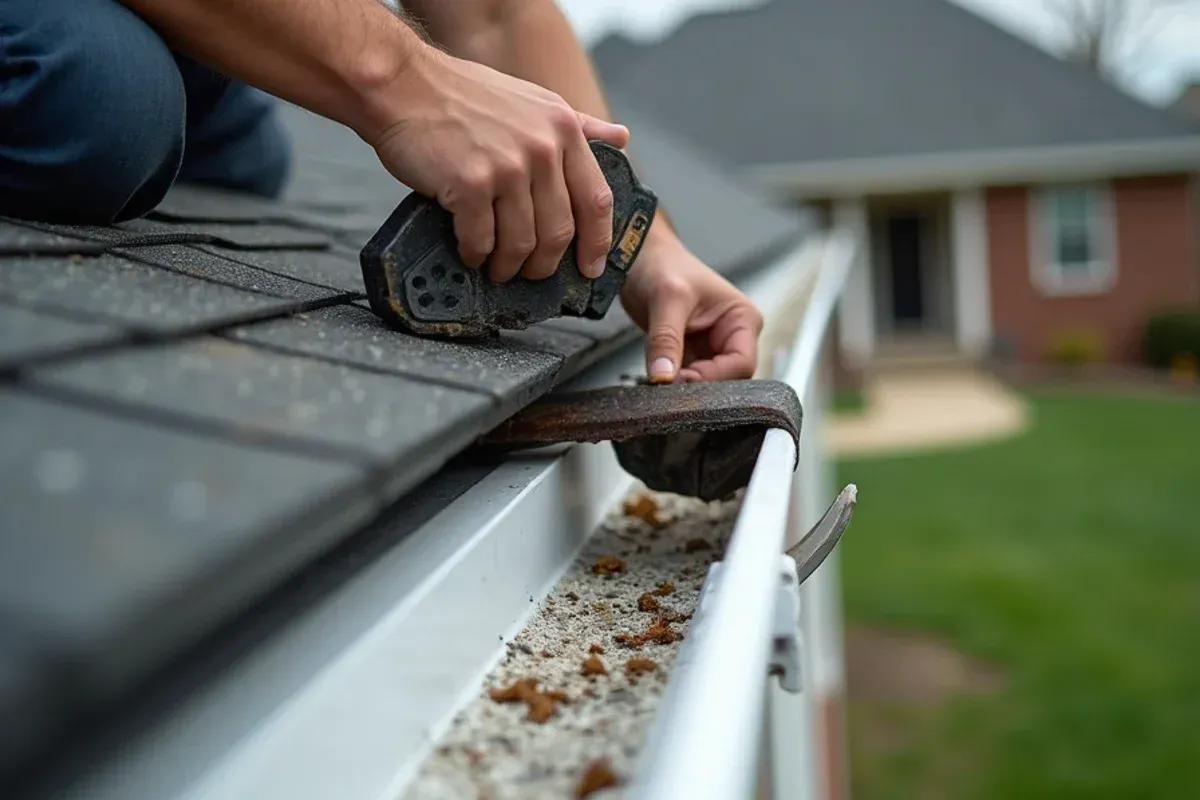
When Re-Hanging Is Possible If the gutter detached cleanly because old spike fasteners pulled free, and the aluminum trough has not kinked, twisted, or torn at the miter corners, the run may be salvageable. Our crew will: - Inspect the sub-fascia to confirm the wood remains structurally sound and dry. - Remove all old, bent spikes and ferrule sleeves. - Re-align the trough to guarantee the required 1/4-inch per 10-foot downward drainage slope toward downspouts. - Drive commercial-grade hidden screw hangers every 18 to 24 inches directly into rafter tails using zinc-coated structural fasteners.
When Full Replacement Is Mandatory If the falling gutter buckled in the middle, twisted into a corkscrew shape, or tore through its corner miters, it cannot be straightened. Bent aluminum develops permanent micro-fractures along fold lines that cause future leaks and disrupt hydrodynamic flow. In this case, installing new seamless gutters extruded on site from heavy 0.032 coil is the only permanent solution.
Furthermore, if the underlying wood fascia has rotted, hanging new gutters without replacing the wood is futile. Our team replaces damaged wood with primed, rot-resistant spruce-pine-fir lumber and wraps the exterior in custom-bent aluminum trim to seal out moisture permanently.
Central Iowa Wind Resistance Standards
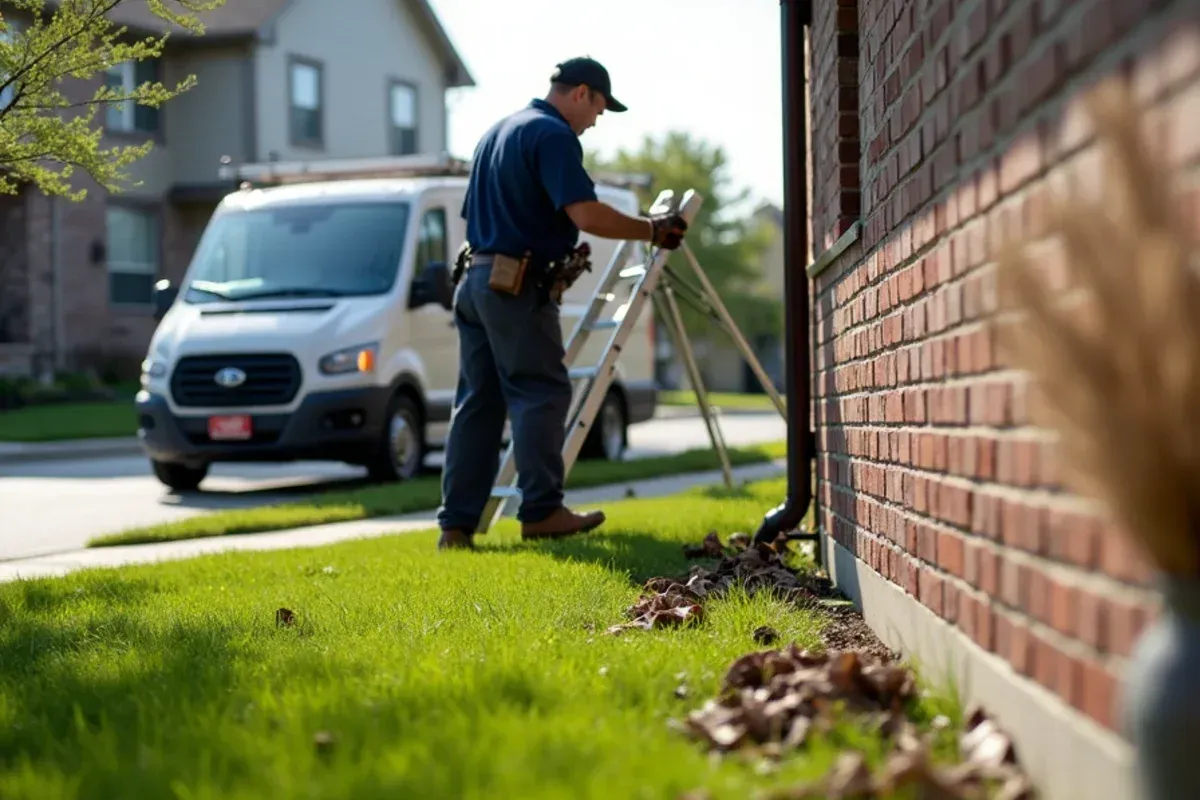
To prevent future wind tear-offs, your gutter installation must meet commercial-grade engineering standards designed for Midwest weather extremes:
| Wind Event Severity | Typical Wind Speed | Expected Impact on Older Gutters | Palomeque Gutter LLC Engineering Standard |
|---|---|---|---|
| Strong Thunderstorm | 45–55 mph | Spikes loosen; sectional joints leak | 0.032 aluminum coil; hidden screw hangers every 24 in |
| Severe Storm / Derecho | 60–80 mph | Undersized gutters buckle; fascia pulls free | Screws driven directly into rafter tails; hangers every 18 in in valleys |
| Historic Supercell / Microburst | 80+ mph | Catastrophic failure of unreinforced runs | Heavy commercial brackets; oversized 3x4 downspouts anchored with heavy straps |
Expected Costs for Emergency Repair and Replacement in Des Moines
When budgeting for repairs following windstorm damage in Central Iowa, here is what homeowners can expect for typical 2026 local pricing:
- Emergency Detachment & Hazard Removal: $150 to $300 to safely cut away dangling metal and secure exposed roof edges.
- Sectional Realignment & Re-Hanging: $200 to $500 to re-pitch an undamaged run and install modern screw-in hangers.
- Fascia Board Replacement & Aluminum Wrap: $15 to $25 per linear foot to replace rotted sub-fascia with primed lumber and custom coil wrap.
- Full 5-Inch Seamless Replacement: $8 to $12 per linear foot including seamless on-site extrusion, hidden hangers, and downspout connection.
- Upgraded 6-Inch High-Capacity Seamless Replacement: $12 to $16 per linear foot, strongly recommended for homes with steep rooflines or open prairie exposure.
Protecting Your Central Iowa Home from Future Storm Damage
A windstorm that rips away a gutter is an urgent disruption, but it also provides an opportunity to upgrade your home's water management system to modern standards. By eliminating loose spikes, replacing soft fascia, and installing heavy 0.032 seamless aluminum with oversized downspouts, you protect your foundation, siding, and roofline from future storms for decades to come.
At Palomeque Gutter LLC, founder Peter Palomeque personally inspects storm damage, provides honest repair assessments, and delivers five-star craftsmanship on every project. Call us today at (321) 485-9911 for immediate, professional assistance across Greater Des Moines.
What We See On Central Iowa Rooflines
In Central Iowa, dealing with gutter torn off by wind requires understanding how severe derecho winds and intense prairie gusts interact with roof eave framing. We emphasize heavy-gauge seamless aluminum anchored with zinc-coated structural screws every 18 to 24 inches to withstand high-velocity wind uplift.
Frequently Asked Questions
Will my homeowners insurance policy cover a gutter torn off by wind in Iowa?
Yes, in most cases wind damage caused by severe Midwestern thunderstorms, derechos, or tornadoes is covered under the dwelling portion of standard Iowa homeowners insurance policies. You will need clear photo documentation of the damaged trough, exposed fascia board, and surrounding siding before any cleanup occurs.
Is a dangling gutter an emergency that requires immediate professional removal?
Yes. A partially detached gutter hanging from a roof eave presents severe safety risks. Strong winds can rip the aluminum free, damaging windows, peeling off exterior vinyl siding, crushing landscaping, or injuring pedestrians below. Call Palomeque Gutter LLC at (321) 485-9911 for emergency stabilization.
Can a wind-damaged gutter be rehung or does it need full replacement?
If the aluminum trough has bent, twisted, or creased when ripping free, it cannot be bent back into a true hydrodynamic slope and must be replaced. If the gutter is undamaged and only the fasteners pulled loose from sound wood fascia, it can often be re-pitched and secured with heavy-duty screw-in hidden hangers.
Need advice specific to your roof or drainage setup?
Peter Palomeque is happy to answer any questions about seamless gutter sizing, downspout routing, guards, or insurance estimates.
Call (321) 485-9911 for Fast Answers